
Our Story
Our practice is different from other low vision practices in many ways, but one of the most unique services we offer is cognitive vision rehabilitation. Cognitive vision rehab is a way of treating vision holistically. The eye does not operate in a vacuum. The act of seeing is intricately connected with the overall health of the patient, the oculomotor muscle system, the neuro-receptors and visual perceptual processing in the brain.
All patients require some degree of instruction and practice to learn new visual skills to read, walk, view TV and computers, drive and just pay attention to their environment. At Siwoff Low Vision Center, we provide strategies, aids, lessons and homework, geared to increase functional vision for home and community activities of daily living and work.
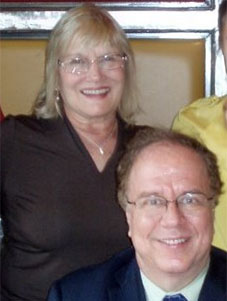 Our doctor, Ronald Siwoff, O.D., F.A.A.O., assesses the medical, physical and visual health of each patient. He designs and creates custom low vision aids, spectacles, contact lenses, special tints for lenses, and intervention strategies to enhance vision.
Rachel Rose Siwoff, MA-LPC, a cognitive therapist with more than 30 years of
experience in the field, assesses cognitive, physical and environmental obstacles to visual function and processing. She designs compensatory strategies to minimize the effect of obstacles to maximize visual function.
The Siwoff Low Vision center is not just an office that prescribes magnifiers and other vision devices. The Siwoff Low Vision Center represents the lifelong dream of its founder, Dr. Ronald Siwoff, of a low vision rehabilitation center that focuses on the needs of the patient as an individual.
At the Siwoff Low Vision Center, we become familiar enough with the needs and wishes of the patient to provide highly customized and individualized treatment, intervention, and low vision aids. The center utilizes state-of-the-art diagnostic and rehabilitative equipment new to the field of low vision. Dr. Siwoff carefully diagnoses the source of the vision difficulty, then prescribes a plan of treatment and supervises a training program for most patients. New patients will often return one or more times before a final prescription is administered. In the time between appointments patients are given daily “eye homework”, and are often lent training glasses for this, in order to strengthen eyes that have been underutilized for an extended period of time. Other areas of rehabilitation include training to improve and enhance daily living activities and vocational activities.
The staff includes a licensed professional counselor to assist patients with therapy and problems with daily and vocational activities. In addition, the office staff is very friendly, knowledgeable, and helpful to patients. The Center also allows the freedom to schedule our patients generously, giving them the time and attention they deserve, which in turn helps to minimize office waiting times.
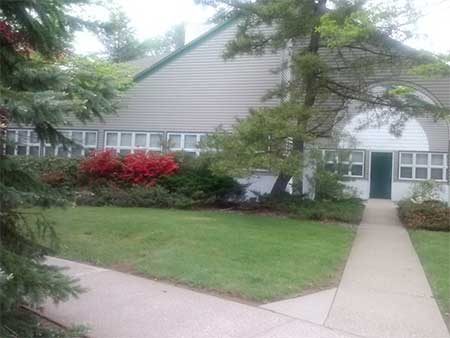
The office is open five days a week.
Our building and office are wheelchair accessible and handicapped parking is available outside of our front door. For patients who have difficulty walking, we will provide a wheelchair at the curb upon request.
The Siwoff Low Vision Center receives referrals from opthalmologists, retinal specialists, optometrists, and primary care physicians. The staff works closely with the patient’s referring physician/ophthalmologist or other eye care professional and will forward a report to the referring doctor. They will provide consultations and reports with the patient’s consent. The Center however is limited to low vision care and does not provide surgery. If a patient requires surgery, Dr. Siwoff will coordinate with the surgeon to maximize outcome. Once the patient is medically stable, the patient will return to the Center for a final prescription that may include low vision eyeglasses and other devices to maximize their residual vision. Patients will continue to be seen for follow-ups by both their primary eye care doctor and the center’s low vision specialist.
The Center makes every effort to accommodate all patients and serve all those in need, regardless of income.
To learn more about Dr. Siwoff’s low vision research and breakthroughs, see our recent news.
Please feel free to contact Dr. Siwoff with any questions or to be provided with a full personalized tour of the Center.
Click here to read about our staff.